For years, creators, freelancers, developers, designers, and digital entrepreneurs have depended on traditional marketplaces.
The problem?
High fees. Slow payouts. Geographic restrictions. Account bans. Payment processor limitations.
Web3 is changing that.
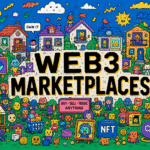
Today, a growing number of marketplaces allow users to sell digital products, freelance services, creative work, and online expertise while getting paid directly in crypto. Instead of waiting days or weeks for bank transfers, creators can receive payments instantly through blockchain networks and stablecoins. As crypto payments become increasingly mainstream, Web3 marketplaces are evolving from niche experiments into a serious alternative to traditional platforms.
Why Web3 Marketplaces Are Growing
Several trends are driving adoption:
- Faster global payments
- Lower transaction fees
- Borderless commerce
- Ownership of reputation and digital assets
- Smart-contract based escrow systems
- Growing stablecoin usage for online transactions
Industry reports show that crypto-based freelance and creator economies continue to expand as more professionals choose digital asset payments over traditional banking rails.
The Best Web3 Marketplaces for Digital Products and Services
1. LaborX
One of the largest crypto-native freelance platforms.
LaborX focuses on connecting businesses with blockchain developers, designers, marketers, writers, and remote professionals. Payments are handled in cryptocurrency, making it popular among Web3 startups and remote teams.
Best for:
- Blockchain developers
- Designers
- Remote freelancers
- Web3 startups
2. CryptoTask
CryptoTask is one of the earliest blockchain-powered freelance marketplaces.
The platform combines traditional freelancing with crypto payments and has built a reputation among blockchain companies seeking specialized talent.
Best for:
- Freelance services
- Software development
- Design projects
- Blockchain-focused work
3. Contra
While not fully decentralized, Contra has become increasingly popular among independent professionals who want greater ownership over their client relationships and payments.
It offers an alternative to traditional freelance marketplaces while supporting crypto-native talent categories.
Best for:
- Creators
- Consultants
- Designers
- Developers
4. OpenSea
The largest NFT marketplace remains a powerful option for creators selling digital ownership rather than traditional services.
Artists, brands, communities, and creators continue to use NFT marketplaces to monetize digital products directly through blockchain infrastructure.
Best for:
- Digital art
- Collectibles
- Membership NFTs
- Tokenized digital products
5. Magic Eden
Originally built on Solana, Magic Eden has evolved into one of the leading NFT and digital asset marketplaces in crypto.
It remains particularly important for creators building within the Solana ecosystem.
Best for:
- Solana creators
- NFT projects
- Digital collectibles
- Community-driven launches
6. fam.work
Among newer entrants, fam.work takes a different approach.
Instead of focusing solely on jobs, NFTs, or gig listings, fam.work is building a community-first marketplace on Solana where people can sell services, digital products, expertise, and online work using crypto-native payments.
The platform emphasizes:
- Solana-powered payments
- Fast and low-cost transactions
- Community-driven growth
- Built-in referral incentives
- Global accessibility
- Crypto-native user experience
Unlike traditional marketplaces that extract value from both buyers and sellers, fam.work aims to reward community participation and long-term contribution.
This community-first philosophy is increasingly aligned with where Web3 is heading: platforms owned and grown by the people who use them.
For creators already active in the Solana ecosystem, fam.work represents a marketplace designed specifically for the next generation of internet work rather than adapting old Web2 models. The broader Solana ecosystem continues to attract builders focused on freelance work, creator economies, and decentralized commerce.
What Can You Sell on Web3 Marketplaces?
The list keeps expanding:
- Design services
- Development services
- Marketing services
- Consulting
- AI services
- Digital downloads
- Templates
- E-books
- Online courses
- NFT collections
- Community memberships
- Content creation
- Social media management
If it can be delivered digitally, it can increasingly be sold through a Web3 marketplace.
The Future of Digital Commerce
The biggest shift isn’t crypto.
It’s ownership.
Web2 platforms own the audience.
Web3 platforms aim to let creators own the relationship.
As stablecoins, blockchain payments, and decentralized identities become more common, the next generation of marketplaces will likely look very different from Upwork, Fiverr, or Etsy.
The winners won’t necessarily be the largest platforms.
They’ll be the marketplaces that create the strongest communities.
And that’s exactly why community-first platforms built on fast networks like Solana are becoming some of the most interesting projects to watch in 2026.